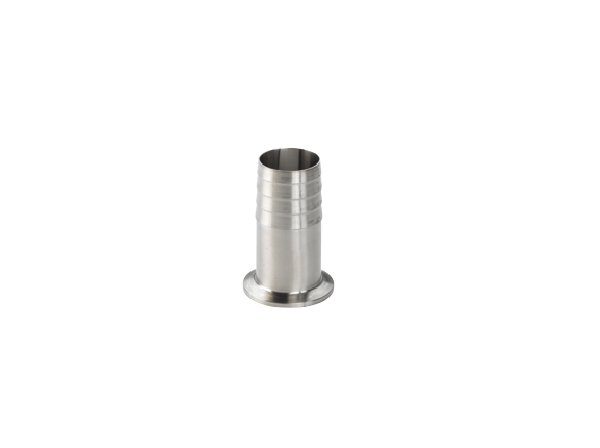
Material: 304, 316L stainless steel
Surface treatment: mirror polishing, pickling, passivation
Nominal pressure: PN10, PN16
Standard: Meet industry hygiene standards, such as DIN 11850, SMS 3008, ISO 2852, etc.
Certification: Meet 3A certification, FDA certification, etc. 3. Size
Nominal diameter: from 1/2" to 6" (common size), customizable size
Specifications: DN15, DN20, DN25, etc.
Wall thickness: common wall thickness 1.5mm, 2mm, 2.5mm, customizable size
Connection method
Welding type: suitable for long-term fixed installation, with strong sealing and high temperature resistance
Clamp type (quick installation): used for sanitary pipes, easy to disassemble and clean, especially suitable for frequently disassembled pipe systems
Threaded type: suitable for small-diameter or special-needed joints
Flange type: suitable for connection of larger-diameter pipes
Ra value: Ra ≤ 0.8μm
Finish: The inner surface must be smooth and burr-free
Temperature range: between 0°C and 100°C, room temperature
Applicable occasions
Food industry: used in food liquid flow system to ensure that food is not contaminated
Beverage industry: used for beverage production line pipeline connection
Pharmaceutical industry: used in pharmaceutical production and delivery systems to ensure compliance with GMP requirements
Chemical industry: used for non-corrosive chemical delivery
Application areas
Food and beverage: used in the circulation and processing systems of various food liquids
Pharmaceuticals: used for the delivery of pharmaceutical production lines to ensure hygiene and pollution-free
Chemicals: used for the delivery of non-corrosive or slightly corrosive chemicals
Installation precautions
Sealing check: The sealing performance of the joint needs to be checked during installation to ensure that there is no leakage
Cleaning requirements: Sanitary joints should be cleaned regularly in accordance with the cleaning procedures specified by the industry
Pressure test: After installation, a pressure test should be performed to ensure that the joint can withstand the transmission requirements of the fluid under normal working pressure